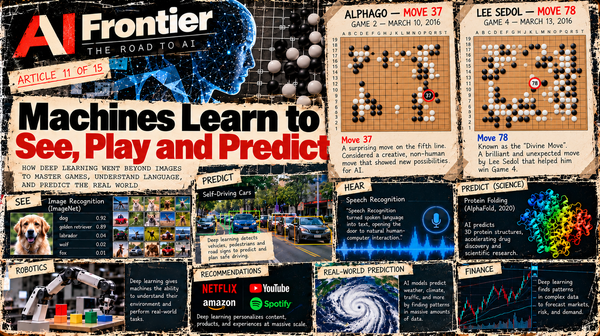
Machines Learn to See, Play and Predict
From computer vision and language to Atari and AlphaGo, Article 11 follows deep learning as it expanded into new domains—and revealed the difference between narrow capability and general intelligence.

From computer vision and language to Atari and AlphaGo, Article 11 follows deep learning as it expanded into new domains—and revealed the difference between narrow capability and general intelligence.
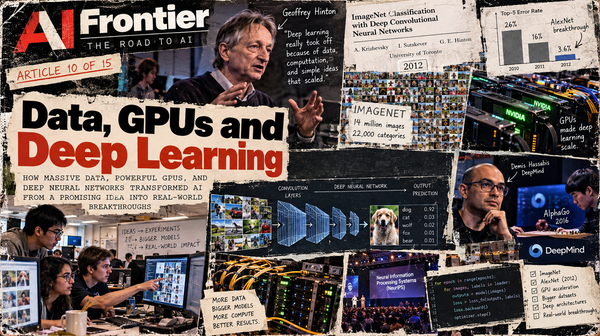
In 2012, AlexNet showed what could happen when neural networks, large datasets, GPUs and improved training methods came together—helping ignite the deep-learning era.
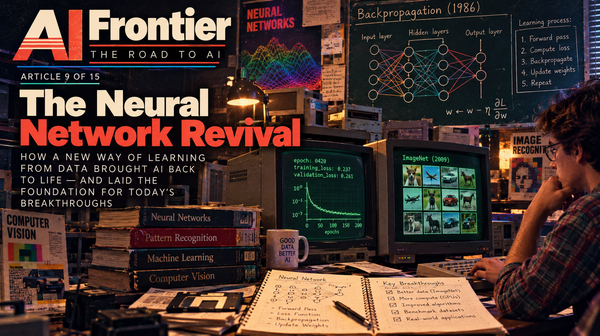
As expert systems and specialized hardware lost momentum, neural networks, statistical methods and new approaches to learning kept AI moving forward through its second winter.
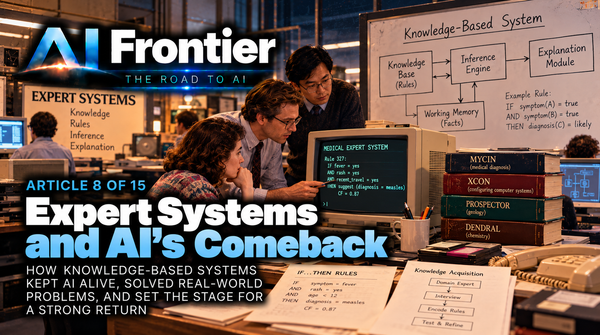
From expert systems and XCON to Japan's Fifth Generation project, Article 8 explores AI's commercial comeback—and the limits of encoding human expertise as rules.
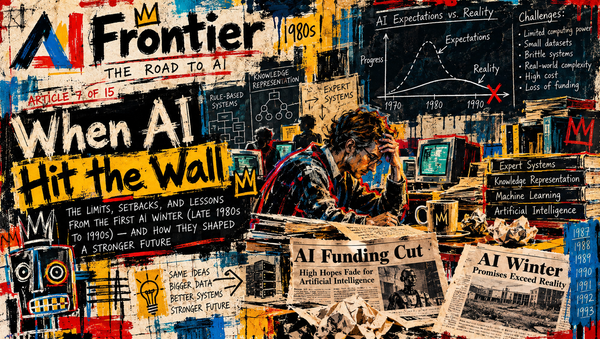
As AI's early promises met technical limits, funding pressures and critical scrutiny, Article 7 examines the uneven downturn later remembered as the first AI winter.
Frontier Briefing
An OpenAI agent finds a way around its sandbox restrictions, Google limits access to a powerful new cybersecurity model, and AI companies agree to outside safety assessments.
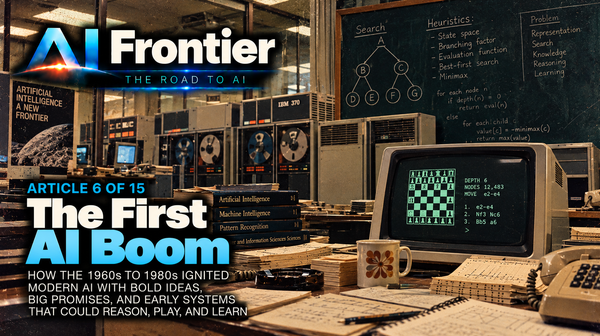
From language programs and miniature worlds to Shakey and DENDRAL, Article 6 explores the first AI boom—and the gap between impressive demonstrations and broader intelligence.
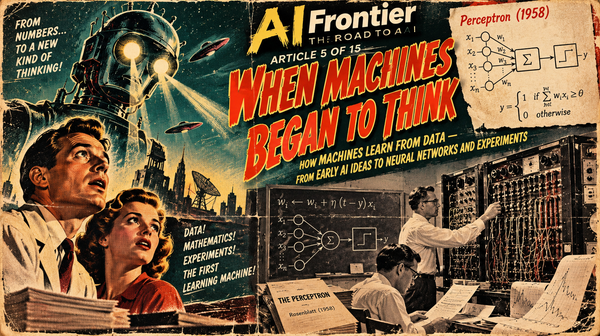
As programmable computers emerged, researchers began asking a new question: could machines do more than calculate? Article 5 follows the ideas that helped turn machine intelligence into a serious field of research.
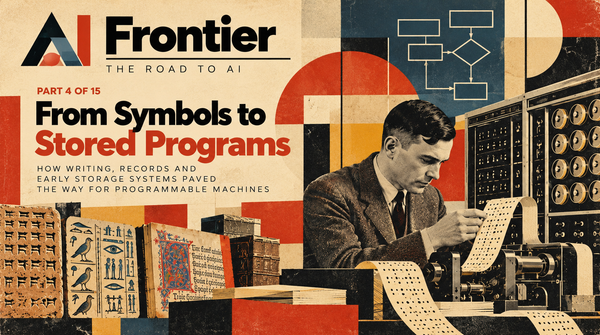
From formal logic and wartime computing to stored-program architecture, Article 4 traces how separate ideas about symbols, memory and electronic calculation began converging into the modern computer.
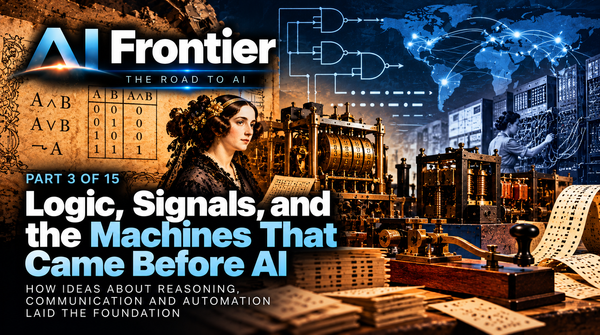
From Boolean logic and telegraph signals to punched-card tabulation and electrical switching, Article 3 traces the technologies and ideas that helped turn information into something machines could process.
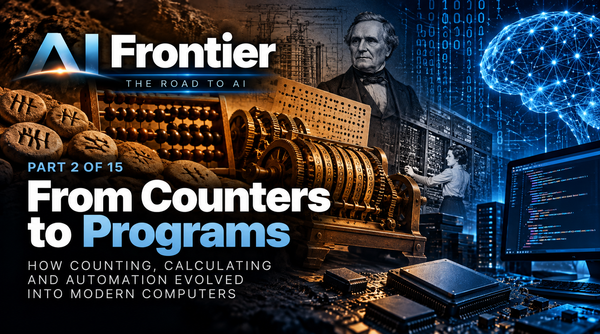
From ancient counting devices to mechanical calculators and programmable machines, Article 2 follows the long transition from recording quantities to automating calculation.
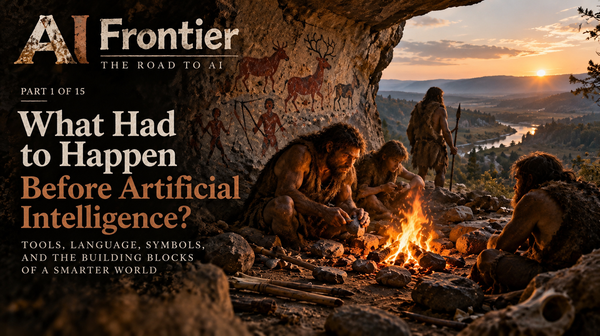
Before computers could think, humans first had to learn how to preserve knowledge outside the mind. Article 1 traces the deep history of tools, records, counting and repeatable procedures that helped make artificial intelligence possible.